How to ask about the past without putting anyone on the spot
The difference between a question that opens a story and one that feels like a test, and six habits that keep the table easy for everyone.
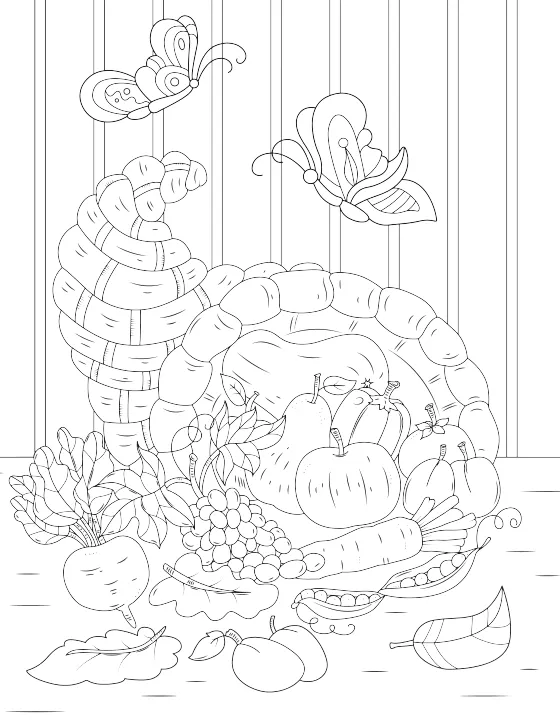
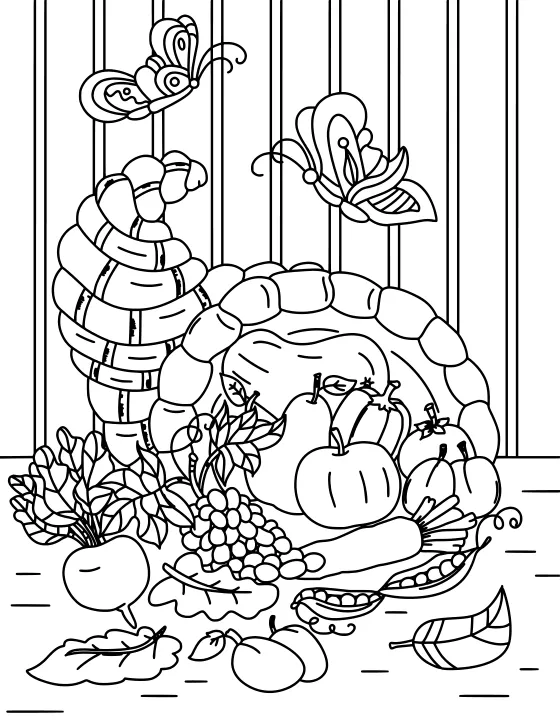
The best question about the past is one nobody can get wrong.
"Do you remember your first car?" is a test. It has a right answer, and someone at the table may not have that answer today. "What color was the first car you loved?" is an invitation. Any answer works, including "I never had one, but my brother's was green, and he never let me drive it."
That's the whole method in one example. The rest of this piece is how to use it at a real table, on an ordinary afternoon.
Ask about, not whether
A question that starts with "Do you remember" puts memory itself on trial. A question that starts with who, what, which, or "tell me about" asks for a story, a preference, or an opinion, and those are there on any day.
A few swaps:
- Instead of "Do you remember Thanksgiving when you were small?" try "Who carved the turkey in your house?"
- Instead of "Did you have a garden?" try "Who in your family grew something every fall?"
- Instead of "What year did you move here?" try "What's the first thing you'd show a visitor in your hometown?"
- Instead of "Do you remember the songs from back then?" try "What song would get you out on the dance floor?"
Questions about what someone likes work best of all, because there's no way to fail them. "Are you a cat person, a dog person, or neither?" has started more friendly arguments than any trivia game.
Let the page hold the question
A question asked face to face, with everyone looking, is a spotlight. A question asked about a picture on the table is a conversation. The drawing gives the eyes somewhere to rest and the hands something to do, and the question is about the picture, not about the person.
That's the idea behind the Story Starter on every Tablewell page. If someone wants to answer, they answer. If they'd rather keep coloring, they keep coloring, and nobody has been put on the spot.
Read the question once, aloud, to the whole table, and then go back to your own page. Don't go around the table asking each person in turn. Going around makes it a turn, and a turn feels like a test.
Wait longer than feels comfortable
After you ask, count to ten in your head. Silence at a coloring table isn't a question that failed. It's people thinking while their hands are busy, and most stories start after the pause, not before it.
If nothing comes after ten, offer one sentence of your own: "My grandmother grew tomatoes on her fire escape." Then go back to your page. An answer from you makes room for an answer from them.
Never correct a memory
If someone tells you their first car was a red convertible, and their daughter mentioned last week that it was a blue pickup, today it was a red convertible. The point of the question was never the facts. It was the telling.
Correcting a story ends it, and it teaches the whole table that this is a place where you can be wrong. Follow the story instead: "A red convertible. Where did you drive it first?"
Ask the second question
The second question matters more than the first. When someone offers a piece of a story, pick the most specific thing they said and hand it back.
"Tomatoes on a fire escape? What else did she grow up there?" gets a story. "That's nice" ends one. Specific beats general every time: the name of the street, the color of the kitchen, the smell of the bakery on the corner.
When a question lands somewhere tender
Sometimes a question about mothers, homes, or holidays finds a loss. That isn't a mistake on your part. It's part of a long life.
Say what you heard, plainly: "It sounds like you miss her." Then let the person decide where to go next. Often they'll keep talking, and it turns into a good conversation. If they go quiet, turn gently back to the page: "What color should her tomatoes be?" The drawing is always a safe place to come back to.
The six habits, in short
- Ask about, not whether: who, what, which, and "tell me about."
- Ask about the picture, not the person. Let the page hold the question.
- Read it once to the whole table. Don't go around.
- Wait ten seconds, then offer a line of your own.
- Never correct a memory. Follow it.
- When it gets tender, say what you heard, then come back to the page.
Where the questions come from
Writing a good question for every activity, every day, is a job in itself. That's why each drawing in the Tablewell library comes with its own Story Starter, written to be asked about the picture, with no wrong answer. Print a drawing in Regular and Bold, hand the pages to the people you serve, read the question once, and wait.
If you'd like to try it this week, the First Pack is six drawings with a Story Starter on each, free, with your organization's name on the cover.
Free coloring pages for your activity calendar: tablewellpages.com/free